3D Serving Tray Board Laser Cut: A Publisher’s Review for Home Decor Content
In the world of digital publishing, visual assets are not merely decorative; they are functional tools that dictate reader engagement, trust, and conversion. As an experienced blog designer and digital publisher, I have spent years curating design elements that speak directly to our audience’s needs. Today, I am reviewing a specific graphic design asset known as the 3D Serving Tray Board Laser Cut. This product falls under the category of Other Home Decor and utilizes Laser Cutting technology in its source files. It is crucial to note from the outset that this is a digital product. No physical goods will be sent, and the photos provided by the creator are intended only for inspiration. The package includes a zip folder with one design file available in SVG and DXF formats.
This review explores how this particular design asset can integrate into real-world content marketing workflows, from affiliate marketing blogs to educational newsletters. We will examine its editorial quality, its impact on visual hierarchy, and its suitability for various web design applications.
First Impressions and Editorial Mood
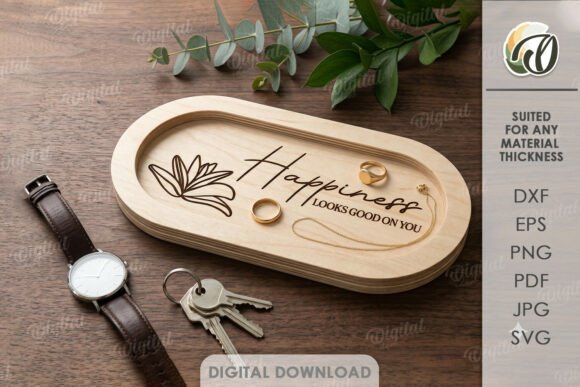
When you first load the preview images for the 3D Serving Tray Board Laser Cut, the immediate impression is one of tactile realism and modern craftsmanship. The design captures the intricate details of laser-cut wood or acrylic, suggesting a clean, contemporary aesthetic. For a publisher, this translates to a specific editorial mood: it feels lifestyle-focused, artistic, and slightly sophisticated without being overly formal.
The modern design language of this asset makes it particularly effective for niches centered around home organization, DIY projects, interior styling, and culinary arts. It does not feel playful or chaotic; rather, it offers a sense of order and precision. This is vital for content that aims to educate readers on crafting or decorating. The visual weight of the tray board suggests stability and utility, which subconsciously reinforces the reliability of the content surrounding it. Whether you are writing about holiday hosting or everyday kitchen aesthetics, this creative design element provides a polished backdrop that elevates the perceived value of your text.
Integrating the Asset into Real Publishing Workflows
A single design asset can serve multiple purposes across a content ecosystem. Here is how I recommend deploying the 3D Serving Tray Board Laser Cut in your daily publishing routine:
- Blog Featured Images: Use the SVG file to create high-resolution featured images. The 3D effect adds depth to flat thumbnails, increasing click-through rates on search engine results pages and social media feeds.
- Pinterest Pins: Pinterest is a highly visual platform where aesthetic appeal drives traffic. Overlaying text such as "10 Ways to Style Your Kitchen" on top of this laser cutting design creates a professional-looking pin that stands out in crowded feeds.
- Email Newsletter Graphics: Include this asset in your header or within the body of your newsletter to break up text blocks. It serves as an engaging visual anchor that guides the reader’s eye toward your call-to-action buttons.
- Digital Guides and Lead Magnets: If you are creating a downloadable PDF guide on home decor, use this image as part of the cover design or as internal section dividers. It signals to the user that the content inside is well-produced and valuable.
- Social Media Templates: Convert the SVG into a reusable template for Instagram or Facebook posts. Consistency in using this brand identity element helps followers recognize your brand instantly.
Impact on Content Performance and Reader Trust
Why does the choice of a graphic design asset matter for performance metrics? The answer lies in cognitive processing. Readers make split-second decisions about whether to trust a website based on its visual polish. A high-quality editorial design like the 3D Serving Tray Board Laser Cut reduces cognitive friction. It looks intentional and professional, which subtly boosts reader confidence in the information presented.
Furthermore, strong visual hierarchy is essential for guiding users through complex articles. By using this asset strategically—for example, as a background for key takeaways or as a highlight for product recommendations—you can direct attention to the most important parts of your content. This clarity improves readability and keeps users on the page longer, which is beneficial for SEO and ad revenue models common in affiliate marketing.
Consistency is another key factor. When you use a cohesive set of design assets across your website, social media, and email campaigns, you build a stronger brand identity. The clean lines and realistic texture of the serving tray board can become a signature visual motif for your home decor niche, making your content more memorable.
Strategic Placement: Where It Works Best
To maximize the effectiveness of this digital download, consider these optimal placement scenarios:
- Hero Images: Large banner areas benefit from the detailed texture of the laser-cut design, providing a rich focal point.
- Article Thumbnails: Smaller versions work well if the contrast is maintained, offering a quick visual cue about the article topic.
- Editorial Accents: Use smaller instances of the design as bullet points or section headers to add variety to long-form text.
- Category Visuals: Assign this asset to a specific category, such as "Kitchen Essentials," to help users navigate your site intuitively.
Areas of Caution and Limitations
While versatile, no single asset fits every context. There are situations where the 3D Serving Tray Board Laser Cut may not be appropriate:
- Small Mobile Thumbnails: On very small screens, intricate laser-cut details may blur or become indistinguishable. Always test legibility at thumbnail size.
- Text-Heavy Blog Images: Avoid placing dense paragraphs of text directly over the detailed areas of the design. This can compromise readability and violate accessibility standards.
- Low-Contrast Backgrounds: Ensure the asset has sufficient contrast against your website’s background color. If your site uses light beige tones, the tray board might blend in too much.
- Serious Professional Niches: For corporate law, finance, or medical content, this decorative creative design element may feel too casual or whimsical. Reserve it for lifestyle, creative, or hobbyist audiences.
Practical Publisher Notes for Implementation
Before integrating this commercial design into your monetized websites, follow these technical checks:
Responsive Testing: View the asset on both desktop and mobile devices. Check how it scales and whether any critical details are lost during resizing.
Typography Pairing: Experiment with different font styles alongside the image. The organic yet precise nature of the tray board pairs well with modern sans-serif fonts for headlines and elegant serif fonts for body text. Test it beside script or handwritten fonts if you aim for a softer, more personal tone.
File Size Optimization: Even though it is a vector file (SVG), rasterizing it for web use requires proper compression. Ensure your final images load quickly to maintain good site speed scores.
Licensing Verification: Confirm the commercial license terms. Most marketplaces allow use in digital products and affiliate content, but some restrict resale as standalone art prints. Always read the fine print to protect your business.
In conclusion, the 3D Serving Tray Board Laser Cut is a robust graphic design asset that can significantly enhance the visual storytelling of home decor and lifestyle content. By understanding its strengths and limitations, publishers can leverage it to create more engaging, trustworthy, and professionally branded digital experiences.