Art Deco 3D Layered Frames Review
As a designer who spends half my life staring at stitch charts and the other half worrying about whether a client will actually wear the shirt, I approach every new embroidery file with a mix of excitement and skepticism. We have all seen designs that look stunning on screen but turn into a muddy mess once they hit the hoop. That is why I decided to put Art Deco 3D Layered Frames through its paces before recommending it for any commercial or personal use. This isn't just about aesthetics; it is about how this design behaves in the real world, how it translates from a digital asset to a tangible product, and whether it adds enough value to justify the time it takes to digitize and stitch.
First Impressions: The Mood and Visual Personality
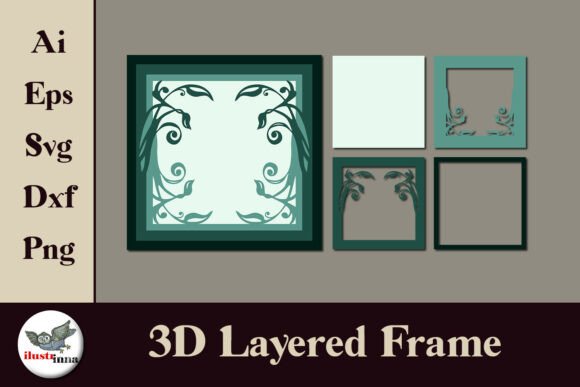
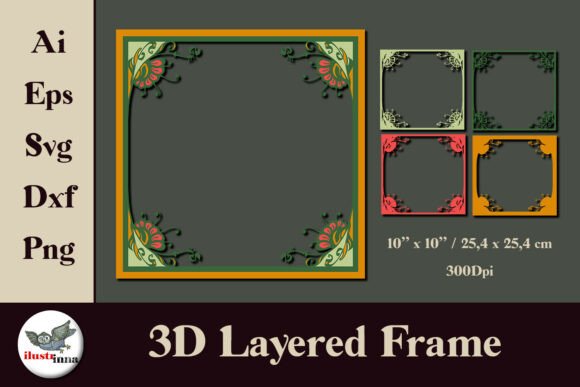
The moment you open the file, the intention is clear. Despite the title referencing Art Deco, the description highlights an Art Nouveau inspiration, and honestly, the visual result leans heavily into that flowing, organic elegance. You get those delicate floral corners and sweeping ornamental curves that define the style. It feels sophisticated without being stuffy. For a designer looking to add a touch of vintage charm to their portfolio, this design hits the right notes immediately.
What stands out most is the layering concept inherent in a 3D SVG structure. Even though we are dealing with thread, the design implies depth. It suggests that when stitched correctly, the frames will not lie flat against the fabric but will pop off the surface, creating a tactile experience. This is crucial for modern consumers who want more than just a logo slapped on a garment; they want texture and dimension. The layout is balanced, giving you plenty of negative space if you plan to add monograms or small text inside the frame, which opens up a lot of possibilities for personalized gift items.
Real-World Application: From Screen to Stitch
I tested this design with a specific project in mind: a boutique line of custom embroidered tote bags and aprons. These are staple items for any Etsy seller or craft business, and they need to look professional from day one. Here is how Art Deco 3D Layered Frames performed in practical scenarios.
On canvas tote bags, the design shined. The contrast between the sturdy fabric and the intricate satin stitch details allowed the floral corners to remain crisp. Because the design uses layered elements, it created a beautiful border effect that framed the center of the bag perfectly. Customers love seeing that level of detail because it signals quality. It makes the product feel like a high-end boutique item rather than a mass-produced novelty.
I also considered using this for sweatshirt embroidery on the back yoke or chest area. The flowing curves work well on curved surfaces, provided you manage the tension correctly. However, for smaller items like embroidered patches or caps, caution is needed. The ornate nature of the design means that if you scale it down too much, you lose the personality. It needs room to breathe. On a standard six-inch patch, it might feel crowded unless you simplify the background elements.
Where to Use It Carefully
No design is perfect for every application, and Art Deco 3D Layered Frames is no exception. As an experienced reviewer, I need to point out where this design might struggle so you can avoid costly mistakes.
- Small Hoop Sizes: If your machine only supports very small hoops, this design might force you to stitch in multiple sections, which can lead to alignment issues. Always check the hoop size requirements before committing to a production run.
- Textured or Stretchy Fabrics: While the design looks great on stable fabrics like cotton or denim, applying it to thin jersey or highly textured knits can be risky. The stitch density required for the detailed corners might cause puckering on stretchy materials unless you use a heavy-duty stabilizer.
- Dense Stitch Areas: The overlapping layers mean there are areas of high thread usage. On dark fabrics, this can sometimes create a shadow effect underneath the top layer if the underlay stitches are not optimized. Test this on scrap fabric first to ensure the colors stay vibrant.
- Frequent Washing: If you are making products like kitchen towels or baby clothes that will see frequent laundering, ensure the design has sufficient anchor stitches. Ornamental designs often have long runs that can snag if not properly secured.
Impact on Product Value and Brand Consistency
Using a design with such strong character, like Art Deco 3D Layered Frames, elevates your brand perception. When a customer receives a handmade product that features intricate, well-executed embroidery, it builds trust. It shows that you care about the details. This is particularly important for commercial embroidery projects where you are competing with printed goods. Embroidery offers a premium feel that printing simply cannot match, and this design leverages that advantage beautifully.
For digital product sellers, this design is also a valuable asset. It works exceptionally well in printable mockups. Because of its clean lines and elegant shape, it photographs well and looks attractive in online listings. It helps capture attention in a crowded marketplace, increasing click-through rates for your shop. Whether you are selling the finished physical item or the digital embroidery file itself, the aesthetic appeal drives engagement.
Practical Designer Notes for Success
Before you load this file into your machine, here are some essential steps to ensure a successful outcome:
- Test on Scrap Fabric: Never go straight to your final product. Stitch the design on a piece of the same fabric type you plan to use. This allows you to adjust thread colors and tension.
- Check Thread Color Contrast: The design relies on definition between the layers. Ensure your chosen thread colors provide enough contrast against the fabric, especially if you are working with light-on-light or dark-on-dark combinations.
- Review Stitch Density: Look closely at the fill stitch and running stitch areas. If the density seems too high for your fabric weight, consider editing the design to reduce thread usage and prevent bulk.
- Use Proper Stabilizer: To maintain the integrity of the applique design elements, use a cut-away stabilizer for woven fabrics or a tear-away for stable knits. This prevents distortion during stitching.
- Confirm Licensing: If you intend to sell finished items, verify the license terms associated with the file. Some designers allow commercial use of finished goods, while others restrict it. Clear licensing protects your small shop product from legal issues.
In conclusion, Art Deco 3D Layered Frames is a versatile and elegant addition to any designer’s library. It brings a sense of timeless beauty to embroidery projects, from simple home decor to complex custom apparel. By understanding its strengths and limitations, you can use it to create stunning finished products that resonate with customers and stand out in your craft business. Just remember to test thoroughly and respect the fabric, and this design will reward you with beautiful results every time.