My Dad Can Fix It 3D Shadow Box SVG
As a designer who spends more time analyzing stitch paths than drinking coffee, I approach every new digital asset with a mix of curiosity and skepticism. When I first pulled up My Dad Can Fix It 3D Shadow Box SVG, I wasn't just looking at text; I was looking at a potential bestseller for Father’s Day or a heartfelt personalized gift for any dad who believes he is the ultimate handyman. The concept is simple, but the execution in a 3D SVG format requires careful consideration to ensure it translates well from screen to fabric.
First Impressions and Visual Personality
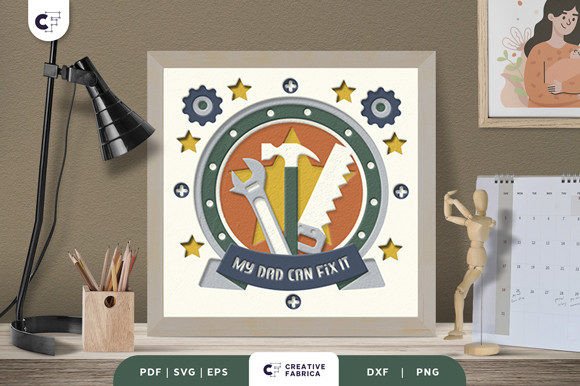
The immediate appeal of this design lies in its thematic resonance. The phrase "My Dad Can Fix It" taps into a universal sentiment of admiration and humor. Visually, the design draws inspiration from a star badge, which immediately suggests authority, capability, and a touch of retro charm. This isn't just plain text; it has a distinct visual personality that feels rugged yet polished.
For an embroidery designer, the layered nature of this file is crucial. A true shadow box effect relies on precise layering to create depth. If the vectors are abundant and well-structured, as described, it promises a rich, dimensional look that stands out against flat fill stitches. This kind of design elevates a standard custom apparel piece into something that feels like a boutique item. It creates a mood of reliability and warmth, making it an excellent choice for personalized gifts that carry emotional weight.
Real-World Application: From Screen to Stitch
Let’s talk about how this actually performs when you take it out of the software and put it under the needle. I recently considered using this design for a batch of custom aprons for a local hardware store owner as a holiday gift. The idea was to combine the ruggedness of the workshop with the softness of high-quality cotton twill.
When planning this embroidery project, I had to think about placement. A tote bag design or a sweatshirt chest pocket would also work beautifully. The badge shape naturally draws the eye to the center, making it perfect for left-chest placements on polos or larger statements on the back of hoodies. For baby embroidery, such as a onesie for a future mechanic, the softer lines of the shadow box can be scaled down effectively, provided the detail level holds up at smaller sizes.
The versatility extends to kitchen towels and pillow covers. In these home decor contexts, the design adds a personal touch that generic store-bought items lack. As an Etsy seller or someone running a small shop product line, this design offers a ready-made solution for seasonal spikes. Father’s Day is a massive market, and having a design that speaks directly to the recipient’s identity can significantly boost conversion rates. It fits seamlessly into a catalog of commercial embroidery assets, offering variety beyond the usual floral or abstract patterns.
Technical Considerations and Fabric Choices
While the design looks stunning in a mockup, real-world application demands caution. The stitch density of a shadow box design can vary depending on how the layers are filled. If the fill stitches are too dense, the fabric may pucker, especially on lighter materials. Therefore, testing on scrap fabric is non-negotiable. You need to check if the thread colors provide enough contrast against your chosen background.
I recommend avoiding textured fabrics like heavy chenille or loose-weave linen for this specific design unless you have extensive experience. The intricate details of the star badge and the layered text might get lost in the texture. Thin or stretchy fabrics, such as lightweight jersey or sheer synthetics, also pose a risk. Without proper support, the tension required for a clean satin stitch outline could distort the garment. Always use a stabilizer appropriate for the fabric weight—cut-away for knits and tear-away for wovens—to maintain structural integrity.
Another critical factor is hoop size. Ensure the design fits comfortably within your machine’s maximum hoop dimensions without requiring re-hooping, which can misalign the layers. If you are working on curved surfaces like caps or hats, the flat vector layout must be adjusted for curvature. A design that looks perfect on a flat plane may appear distorted on a rounded brim if not digitized correctly for 3D space.
Where to Exercise Caution
- Small Hoop Sizes: If the design includes tiny lettering or fine decorative accents, scaling it down too much can result in muddy stitching where individual threads blend together.
- Dense Stitch Areas: Check the density maps. Excessive stitching in one area can make the finished product stiff and uncomfortable, particularly on garments worn close to the skin.
- Dark Fabrics: While bold colors pop on dark backgrounds, ensure your thread selection has sufficient opacity. Some pastel or light-colored fills may require multiple passes, increasing production time.
- Frequent Washing: For items like aprons or workwear that undergo frequent laundering, the durability of the embroidery is key. Loose ends or poorly anchored layers may fray over time.
Impact on Product Value and Brand Consistency
Using a high-quality machine embroidery design like this one directly impacts the perceived value of your handmade products. Customers are willing to pay a premium for items that show attention to detail. A crisp, well-executed shadow box effect signals professionalism and care. It builds customer trust because the finished product matches the expectations set by your printable mockups.
From a branding perspective, this design helps establish a consistent aesthetic. If your shop focuses on rustic, masculine, or family-oriented themes, this badge-style art aligns perfectly. It enhances brand recognition, making your listings stand out in a crowded marketplace. For craft business owners, the ability to offer a unique, layered design differentiates you from sellers who only offer basic text-based embroidery files.
Practical Designer Notes Before You Start
Before committing to a full production run, follow these steps to ensure success:
- Test on Scrap Fabric: Always run a test stitch-out to evaluate tension, stability, and overall appearance.
- Review Stitch Density: Zoom in on the digitizing software to inspect small details and ensure they are legible.
- Check Thread Color Contrast: Compare your thread palette against the fabric color. Use black and white mockups to verify contrast levels.
- Confirm Licensing: Verify whether the file allows for commercial use. This is essential for Etsy sellers and those selling physical goods.
- Inspect Stabilizer Needs: Determine the best stabilizer type to prevent puckering and ensure longevity.
In conclusion, My Dad Can Fix It 3D Shadow Box SVG is a versatile and emotionally resonant design asset. It bridges the gap between functional utility and sentimental gifting. By understanding its technical requirements and applying it thoughtfully to the right projects, you can create finished products that delight customers and strengthen your reputation as a skilled embroiderer. Whether you are creating a single personalized gift for a loved one or stocking shelves for the next holiday season, this design offers a solid foundation for creative expression.