3D Drinking Game Laser Cut: A Designer’s Review for Board Games
When I first pulled 3D Drinking Game Laser Cut into my design workspace, my initial reaction was one of cautious optimism. As a graphic designer who frequently juggles branding, packaging, and digital marketing assets for small businesses and handmade brands, I am constantly hunting for visual elements that strike the right balance between playful energy and professional polish. This asset falls squarely into the "fun" category, but the question remains: does it hold up in a real client project? After testing it across various mockups and layout scenarios, I have formed a clear verdict on its utility for modern creative workflows.
First Impressions and Visual Mood
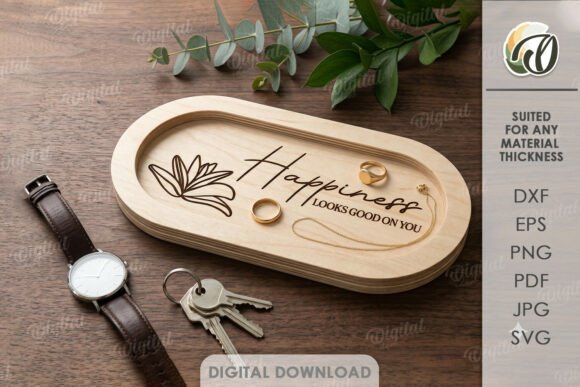
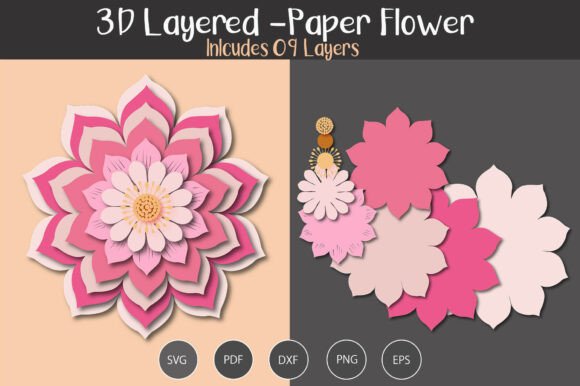
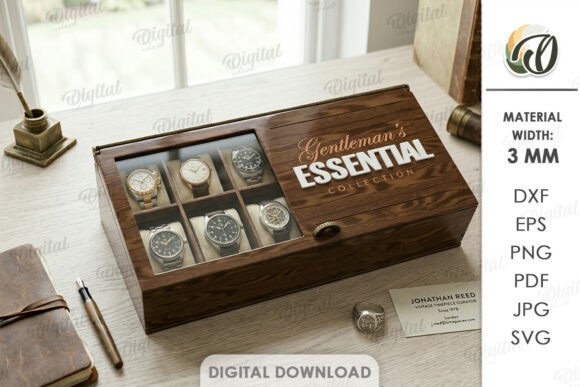
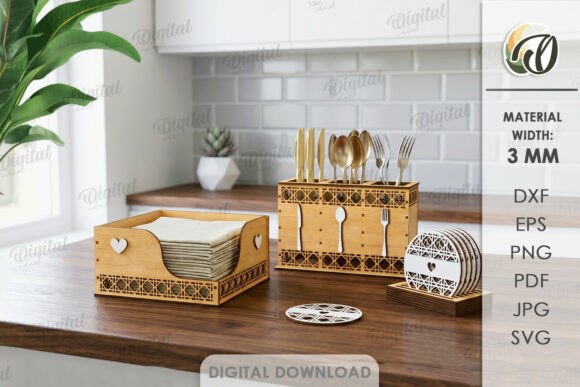
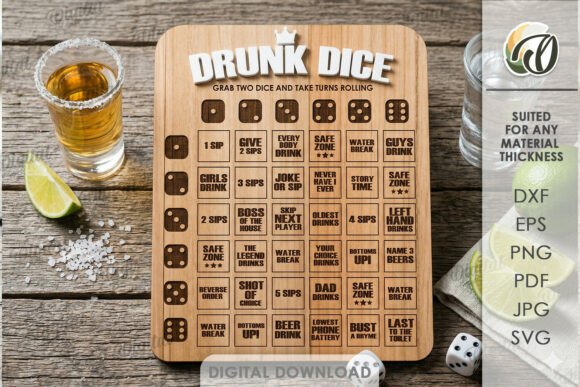
The moment you open the zip folder containing this digital product, you are greeted by a file structure that is both practical and versatile. The inclusion of SVG, DXF, EPS, and other formats immediately signals that this is not just a static image but a vector-based design intended for precision cutting or scalable digital use. Visually, the design carries a distinct laser-cut aesthetic—sharp lines, intricate negative space, and a tactile quality that mimics physical craftsmanship even when rendered digitally.
This is crucial for designers working in the Board Games niche. The mood is energetic, social, and slightly rustic. It evokes the feeling of a weekend gathering, a craft fair booth, or a boutique party supply store. For a client launching a new line of adult party games or hosting a themed event, this asset provides an instant visual shorthand for "fun" without relying on cliché cartoonish graphics. It feels grounded in the Laser Cutting trend that has been dominant in the handmade business sector for years, appealing to consumers who value artisanal aesthetics.
Real-World Application in Client Projects
To determine if 3D Drinking Game Laser Cut is viable for commercial use, I applied it to several common design scenarios. Here is how it performed in practice:
- Packaging Design: This is where the asset truly shines. When used as a die-cut window label or a decorative overlay on a box for a drinking game, it adds significant perceived value. The intricate cut-out pattern creates depth and texture, making the product stand out on a shelf or in an online thumbnail. It transforms a simple cardboard box into a premium product mockup candidate.
- Social Media Graphics: For Instagram posts and Pinterest pins, the high-contrast nature of the laser-cut style works exceptionally well. It grabs attention in a crowded feed. I found that placing this asset over a solid dark background or a muted pastel gradient created a striking visual hierarchy that drew the eye directly to the game title or call-to-action.
- Merchandise and Print-on-Demand: If you are a print-on-demand seller, this design translates beautifully onto t-shirts, tote bags, and mugs. The clean vector lines ensure crisp printing, whether you are using screen printing techniques or sublimation. It serves as a strong central illustration for a t-shirt design aimed at party hosts or game night enthusiasts.
- Event Invitations and Flyers: For local events or pop-up markets, this asset can be used as a header graphic or a border element. It sets the tone for the event immediately. However, care must be taken with text placement to ensure the invitation details remain readable.
Strategic Placement and Layout Considerations
Not every design situation is suitable for such a detailed graphic. In my experience, 3D Drinking Game Laser Cut performs best in large layout areas where its intricate details can breathe. It is an excellent choice for hero graphics on a website landing page or as a standalone poster. When used as a supporting brand element, such as a watermark or a subtle background texture, it adds character without overwhelming the viewer.
However, there are specific scenarios where this asset requires careful handling. Avoid using it in small sizes, such as favicons or tiny app icons, where the fine details will blur into noise. Similarly, in crowded layouts with multiple competing visual elements, the complexity of the laser-cut pattern can clash with other graphics, disrupting the visual hierarchy. It should also be approached with caution in minimalist branding projects where clean, uncluttered aesthetics are paramount. If your client’s brand identity relies on simplicity and corporate professionalism, this playful, textured asset may feel out of place.
Technical Checks for Professional Designers
Before integrating any graphic design asset into a client deliverable, a rigorous technical review is essential. Here are the steps I recommend when working with files like this:
- File Format Verification: Ensure the SVG and DXF files are properly structured. Check that all paths are closed and that the layering makes sense for potential physical production. If you plan to send this to a laser cutter, verify that the line weights are appropriate for the machine’s capabilities.
- Contrast and Readability: Always preview the asset in black and white. Sometimes color masks poor contrast issues. Test the design on both light and dark backgrounds to ensure it maintains its integrity. If the negative space becomes too dense, readability suffers.
- Scalability Testing: Zoom in and zoom out. Does the design lose detail when scaled down? Does it pixelate or look jagged when scaled up? Since this is a vector asset, it should scale infinitely, but complex intersections can sometimes cause rendering issues in certain software environments.
- Typography Pairing: Consider how this asset interacts with font styles. A bold sans serif font often pairs well with the sharp angles of a laser-cut design, providing a modern counterpoint. Conversely, a script font might compete for attention. Experiment with display fonts to see which combination best supports the overall message.
- Commercial Licensing: Most importantly, confirm the commercial license terms. Even though this is a digital product, you must ensure you have the right to use it for client work, resale items, or marketing materials. Misunderstanding licensing can lead to legal issues and damaged client relationships.
Final Verdict on Creative Utility
So, is 3D Drinking Game Laser Cut worth adding to your design arsenal? Absolutely, provided you understand its strengths and limitations. It is a highly specialized asset that excels in the realms of party-themed branding, Etsy products, and creative marketplace listings. It brings a sense of tangible craft to digital designs, bridging the gap between online shopping and offline experience.
For designers looking to enhance their marketing visuals or create engaging editorial design pieces for lifestyle brands, this asset offers a unique texture that stock imagery often lacks. It encourages creativity and allows for innovative applications in web design and brand identity systems. Just remember to respect the visual weight of the design, test it thoroughly across different mediums, and always prioritize the client’s brand goals. When used thoughtfully, 3D Drinking Game Laser Cut can elevate a simple concept into a memorable, polished final result.