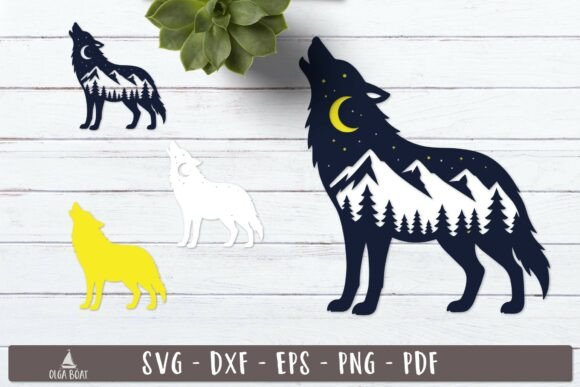
3d Mountain Wolf Layered SVG Design
As a designer who spends half my life staring at digitized files and the other half troubleshooting tension issues on an embroidery machine, I have learned to be skeptical of any file that promises "stunning" results without showing the stitch work. When I first pulled up the 3d Mountain Wolf Layered SVG Design, I wasn’t looking for another generic clip-art wolf. I was looking for something with grit, structure, and enough detail to justify a premium price point in a saturated market. What I found was a design that feels less like a simple graphic and more like a structured piece of art waiting to be translated into thread.
The immediate impression is one of rugged elegance. The layered approach in this 3D SVG suggests depth, which is crucial when moving from digital vector to physical textile. In the world of machine embroidery design, flat shapes can often look cheap if not executed with precise satin stitch borders or strategic fill stitch density. This design, however, seems built to handle that transition. The mountain backdrop provides a solid, grounding element, while the wolf itself offers dynamic lines that catch the light differently depending on the thread sheen you choose. It’s not just an animal print; it’s a narrative about wilderness and resilience, themes that resonate deeply with specific demographics, particularly those interested in outdoor culture, hunting, or rustic aesthetics.
Real-World Application: From Screen to Stitch
To truly evaluate a design, you have to imagine it on a product. Let’s talk about a real scenario. Imagine you are preparing for a holiday craft fair or restocking your Etsy shop for Q4. You need a centerpiece item that stands out but isn’t so complex that it takes four hours to embroider per unit. The 3d Mountain Wolf Layered SVG Design fits perfectly into a custom embroidered tote bag or a heavyweight sweatshirt project.
I visualized placing this design on a canvas tote. The layered nature of the SVG allows for creative interpretation. You could use a dark charcoal thread for the mountain peaks to create shadow, then switch to a lighter grey or white for the wolf’s fur, using a mix of running stitch for texture and fill stitch for volume. This contrast would make the wolf pop against the natural fabric color. For a small business owner, this level of detail justifies a higher retail price because the finished product looks professional and intentional, not mass-produced.
Another strong candidate for this design is a baby item, such as a hooded towel or a nursery wall hanging. The wolf motif is timeless and appeals to parents who want something gender-neutral and nature-inspired. However, here is where the "layered" aspect becomes critical. If you are using this for a baby embroidery project, you must ensure the layers are clean and free of excessive bulk. A bulky neck area on a baby towel is uncomfortable. By treating the SVG layers as separate elements during digitizing, you can manage the thickness, ensuring the final handmade product remains soft and wearable.
Technical Considerations and Fabric Choices
Not every surface is created equal, and the success of the embroidery file depends heavily on what you put under the needle. The 3d Mountain Wolf Layered SVG Design has enough intricate detail to suffer if placed on the wrong material. I strongly advise against using this on thin, stretchy fabrics like lightweight jersey or sheer cotton unless you are using a heavy-duty cut-away stabilizer. The tension required to pull the fill stitch taut might pucker the fabric, ruining the crisp lines of the mountain range.
Instead, lean into textures that complement the theme. Denim jackets, felt caps, wool-blend blankets, and linen aprons are ideal candidates. On denim, the rough texture mirrors the ruggedness of the wolf, creating a cohesive aesthetic. For a cap, the curved surface adds a three-dimensional quality to the embroidery itself, making the wolf appear even more lifelike. Just remember that on curved surfaces like hats, smaller details can get lost. Inspect the smallest parts of the SVG—perhaps the eyes or distant tree lines—to ensure they won’t merge into a blob when stitched at a smaller scale.
Color contrast is another vital factor. If you plan to embroider this on black fabric, standard black thread will disappear. You will need metallic threads, bright whites, or contrasting earth tones to define the layers. Conversely, on white fabric, a dark outline is essential to prevent the design from blending into the background. Always test your thread colors on scrap pieces of your actual project fabric before committing to the final piece. The way light hits polyester thread versus cotton rayon can drastically change how the stitch density appears in the final finished product.
Strategic Use Cases for Digital Sellers and Makers
For Etsy sellers and digital product sellers, versatility is key. This design is not limited to just one type of merchandise. It can be adapted for custom apparel, embroidered patches, and even home decor items like pillow covers. The layered structure allows you to offer different variations to your customers. You could sell a version that uses applique techniques for the main body, reducing stitch time and cost, or a fully stitched version for premium clients who value detail.
When creating printable mockups for your listings, focus on the mood. Show the wolf design on a rustic wooden table next to coffee beans, or on a cozy throw blanket near a fireplace. These contextual images help buyers visualize the personalized gift potential. Whether it’s a birthday present for a hunter, a wedding gift for a couple who loves camping, or a corporate logo for an outdoor gear company, the 3d Mountain Wolf Layered SVG Design carries emotional weight that generic designs lack. This emotional connection drives engagement and increases the likelihood of a sale.
Practical Designer Notes for Implementation
- Test on Scrap First: Never go straight to the final garment. Run the design on a similar fabric with your chosen stabilizer to check for puckering, thread breaks, or alignment issues.
- Check Stitch Density: Review the digitization to ensure the fill stitch areas aren’t too dense. Excessive density leads to needle breakage and stiff fabric feel. If the design feels heavy, consider reducing the stitch count or switching to a lighter fill pattern.
- Inspect Small Details: Zoom in on the SVG. Are there tiny isolated elements that might not stitch well? These may need to be removed or simplified for embroidery compatibility.
- Verify Licensing: Before listing any commercial embroidery products, double-check the license terms. Ensure you are allowed to sell finished goods made from the design. Some licenses restrict commercial use or require attribution.
- Black and White Mockups: Convert your design to grayscale to check contrast. If the layers don’t distinguish themselves clearly in monochrome, they might struggle in color, especially with low-contrast thread choices.
Ultimately, the 3d Mountain Wolf Layered SVG Design is a robust tool for any maker serious about quality. It bridges the gap between digital artistry and tactile craftsmanship. By paying attention to fabric choice, thread selection, and stabilization, you can transform this SVG into a standout embroidery project that delights customers and elevates your brand. It’s not just a wolf; it’s an opportunity to showcase your skills and connect with an audience that values nature, strength, and handmade authenticity.