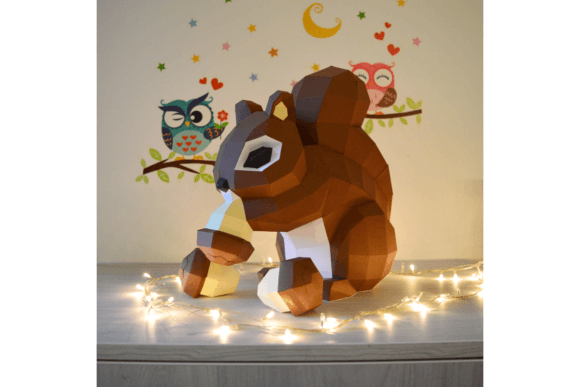
3D Papercraft Squirrel: 3D SVG for Animals
In the world of digital publishing, the difference between a scroll-past and a click-through is often measured in pixels. As a designer who has spent years refining editorial layouts and optimizing content for both user experience and search visibility, I have learned that visual assets are not merely decorative; they are functional tools of communication. When evaluating a graphic design asset for real website use, I look beyond aesthetics to ask: does this support our brand identity? Does it load efficiently? And most importantly, does it create an emotional connection with the reader?
This is where the 3D Papercraft Squirrel enters the conversation. It is not just a cute image; it is a carefully constructed 3D SVG file designed by Paperpoly, intended to bring a sense of tactile joy to digital spaces. For bloggers, affiliate marketers, and small business owners looking to elevate their content marketing strategy, understanding how to integrate such specific design assets can significantly impact engagement metrics.
The Editorial Mood and First Impressions
When you first import this asset into your design workflow, the immediate takeaway is its whimsical yet polished nature. The description notes that "this cute papercraft squirrel will make just any place so much more joyful," and from a web design perspective, that statement holds true. The intricate details of the papercraft style lend a layer of sophistication that flat vector illustrations sometimes lack. It feels handmade, which builds trust with readers who value authenticity and creativity.
The mood created here is distinctly playful but clean. It avoids the cluttered look of overly complex clip art while steering clear of the sterile feel of corporate stock photography. This makes it particularly effective for niches focused on lifestyle, home decor, parenting, educational resources, or creative hobbies. By introducing a character like a squirrel, you humanize your content. In editorial design, characters serve as anchors for the eye, guiding the reader through long-form articles or landing pages. This creative design element suggests a brand that is approachable, fun, and attentive to detail.
Real-World Publishing Applications
One of the greatest strengths of receiving this asset as a DIV project with SVG cutting compatibility is its versatility across multiple platforms. Unlike raster images (JPGs or PNGs) that lose quality when scaled, an SVG allows you to resize the squirrel for everything from a tiny favicon to a massive hero banner without pixelation. Here is how I recommend integrating this digital product into your existing workflows:
- Blog Featured Images: Use the squirrel as a focal point alongside bold typography. The 3D effect adds depth, making your post stand out in crowded social media feeds or blog roll listings.
- Pinterest Pins: Pinterest is a visual search engine. A high-quality, unique illustration like this papercraft squirrel can improve click-through rates compared to generic text-heavy pins. It signals that your content is crafted with care.
- Newsletter Graphics: Break up text blocks in your email campaigns with this asset. It serves as a friendly greeting or a section divider, increasing open rates and reader retention.
- Lead Magnets and Digital Guides: If you offer downloadable worksheets, eBooks, or checklists, using this as a cover image or internal graphic enhances the perceived value of your lead magnet. It transforms a simple PDF into a branded digital download.
- Category Thumbnails: For websites with multiple content categories, assign specific animal characters to each. This creates a strong visual hierarchy and helps users navigate your site intuitively.
Supporting Content Performance and Brand Identity
Consistency is key to building a recognizable brand identity. By incorporating the 3D Papercraft Squirrel into your social media graphics and website headers, you establish a cohesive visual language. When readers see that familiar papercraft style across your Instagram, Pinterest, and blog, it reinforces memory and trust.
Furthermore, this asset supports better click-through potential. Human brains are wired to respond to faces and organic shapes. The squirrel’s expressive design draws attention naturally. In affiliate marketing, where trust is paramount, using custom, thoughtful visuals rather than low-res stock photos can subtly signal professionalism. It shows visitors that you invest time in the presentation of your recommendations, which can positively influence conversion rates.
Additionally, the SVG format contributes to better web performance. Because SVG files are code-based and often smaller in file size than high-resolution photographs, they contribute to faster page load times. Speed is a critical ranking factor for SEO and a major component of user experience. Using optimized design assets ensures your site remains lightweight without sacrificing visual appeal.
Strategic Placement and Visual Hierarchy
To maximize the impact of this asset, placement matters. The 3D Papercraft Squirrel works best as a supporting element rather than the sole focus of dense information. Consider these strategic placements:
- Hero Images: Pair the squirrel with ample negative space and a clear headline. Let the character add personality without competing with your main message.
- Editorial Accents: Use small instances of the squirrel to highlight quotes, tips, or call-out boxes within long articles.
- Social Media Previews: Ensure the resolution is high enough so the details remain crisp when viewed on mobile devices.
- Downloadable Resources: Include the squirrel in printables to make them more engaging for children or creative adults.
However, there are contexts where caution is advised. In serious professional niches, such as legal advice, financial consulting, or medical information, the playful nature of a papercraft squirrel may undermine authority. Similarly, avoid placing it on busy layouts with low-contrast backgrounds, as the intricate details may get lost. Always ensure the visual system of your website aligns with the tone of the specific content piece.
Practical Publisher Notes for Implementation
Before adding this asset to your library, keep these technical and creative checks in mind:
- Test Responsiveness: Preview the asset on desktop, tablet, and mobile screens. Ensure it scales correctly and does not distort aspect ratios.
- Check Contrast and Readability: Place the squirrel next to your body text headlines. Verify that the colors complement your font choices, whether you use serif, sans-serif, or script fonts.
- Review File Size: Even though SVGs are efficient, export variations if needed for different use cases. Compress images properly before uploading to your media library.
- Confirm Commercial Licensing: This is crucial. Ensure you have the appropriate commercial license to use the asset on monetized websites, affiliate pages, or paid products. Most marketplaces provide clear terms, but always verify to protect your business.
- Brand Integration: Try placing the squirrel beside your logo or primary brand colors. Adjust opacity or add drop shadows if necessary to make it feel integrated rather than pasted on.
Ultimately, the 3D Papercraft Squirrel is more than just a fun decoration; it is a strategic tool for enhancing the emotional resonance of your content. By thoughtfully integrating this graphic design asset into your blog graphics and website header designs, you create a richer, more inviting environment for your audience. Whether you are creating a Canva template for clients or designing your own content upgrades, this asset offers a blend of charm and professionalism that can elevate your digital presence. Embrace the joy it brings, but always let editorial clarity guide your design decisions.