3D Papercraft Corgi: 3D SVG Animals Review
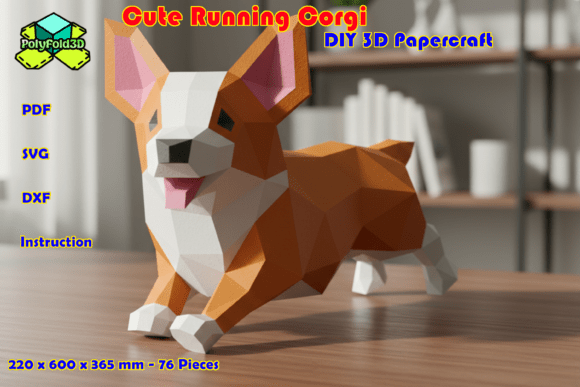
As a graphic designer who spends half my day wrestling with vector nodes and the other half pitching visual concepts to skeptical clients, I am always on the hunt for assets that bridge the gap between digital convenience and tactile charm. Recently, I evaluated 3D Papercraft Corgi, a unique design asset that promises to bring a handmade aesthetic into modern digital workflows. The product description invites you to "Behold the DIY 3D Papercraft Corgi Experience the joy of crafting your very own adorable Corgi companion," which immediately signals a specific mood: whimsical, warm, and engaging. But does it hold up in a professional setting? Can this SVG design survive the rigors of a real client project?
I approached this review with a specific scenario in mind. Imagine a small business owner launching a boutique line of organic dog treats or a local pet store preparing for a seasonal summer campaign. They need visuals that feel approachable, artisanal, and trustworthy. In this context, standard stock photography often feels cold or overused. This is where a high-quality graphic design asset like the 3D Papercraft Corgi can elevate the entire brand identity.
First Impressions and Visual Mood
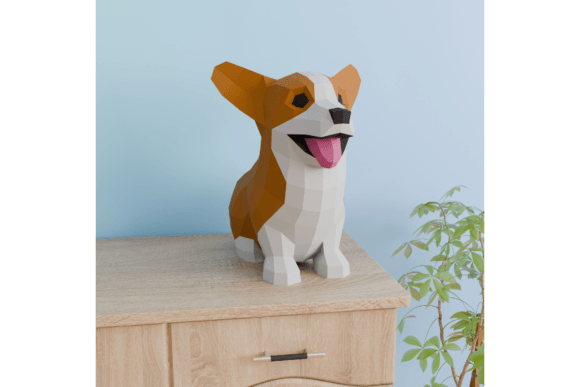
The moment you open the file, the visual language is clear. This isn’t just a flat illustration; it simulates depth and texture through clever shading and layering techniques inherent to the 3D SVG format. The corgi itself exudes a playful yet polished energy. It captures the essence of the breed—fluffy, expressive, and endearing—without veering into caricature territory that might undermine brand seriousness.
For designers working on brand identity projects, the style offers a versatile middle ground. It is modern enough for tech-savvy audiences but retains the warmth of a handmade business aesthetic. The color palette, typically soft and inviting, allows it to blend seamlessly with earthy tones for eco-friendly brands or pastel schemes for gift-oriented products. When placed against a clean background, the asset commands attention without shouting, making it an excellent candidate for hero graphics on landing pages or as the central element of a packaging design.
Real-World Application in Client Projects
In my experience, the true test of any design asset is its performance across various mediums. Here is how 3D Papercraft Corgi performs in practical scenarios:
- Packaging Design: For a small business branding project involving pet accessories, this asset adds a premium feel. The 3D effect translates well to box inserts or hang tags, suggesting quality craftsmanship even if the final product is digitally printed.
- Social Media Graphics: On platforms like Instagram and Pinterest, visual distinctiveness is key. A 3D papercraft style stands out in a feed cluttered with flat illustrations and photos. It works exceptionally well for social media posts announcing new arrivals or celebrating holidays.
- Print-on-Demand Products: If you are selling on Etsy or running a print-on-demand store, this asset is a goldmine. It adapts beautifully to t-shirt design layouts, mug wraps, and tote bags. The detailed edges ensure that sublimation prints look sharp and vibrant.
- Editorial Design: Bloggers and publishers looking for featured images will find this asset highly engaging. It breaks up text-heavy articles effectively, serving as a visual anchor that encourages readers to stay longer on the page.
Furthermore, for creators using tools like Canva, this Canva template-compatible asset (assuming proper formatting) allows for quick customization. Marketers can easily swap colors to match brand guidelines, ensuring brand consistency across all touchpoints.
Strategic Placement and Hierarchy
While the asset is versatile, it requires strategic placement to maintain visual hierarchy. The 3D nature of the corgi creates a focal point that naturally draws the eye. Therefore, it should be used as a primary decorative accent rather than a background element.
It excels in large layout areas where its details can be appreciated. Think of it as a star player in your composition. However, designers must be cautious when scaling down. In crowded layouts or complex backgrounds, the intricate folds and shadows of the papercraft style may become muddy, reducing legibility. For minimalist branding projects that rely on negative space, this asset might compete too aggressively with typography. In such cases, use it sparingly as a subtle watermark or a small icon in the footer.
When integrating this into a logo design process, consider the balance between the illustrative weight of the corgi and the chosen typeface. Pairing it with a bold sans serif font can create a modern, balanced look, while a script font might lean too heavily into the "cute" factor, potentially alienating a more mature demographic. Always test these combinations to ensure the overall impression aligns with the client’s target audience.
Practical Designer Notes for Commercial Use
Before incorporating 3D Papercraft Corgi into a billable client project, there are several technical checks every professional designer should perform. These steps protect both your reputation and your client’s investment.
- Format Verification: Confirm whether the asset is provided as a true vector SVG or a rasterized PNG. A vector format is essential for scalability, allowing you to resize the corgi from a tiny sticker to a large billboard without pixelation. If only a PNG is available, inspect the transparency edges closely for jagged artifacts.
- Contrast and Readability: Preview the asset on both light and dark backgrounds. The 3D shading relies on contrast to create depth; on low-contrast backgrounds, the design may lose its dimensionality. Test it in black and white to ensure the structural integrity holds up without color cues.
- Mockup Testing: Never trust a flat preview alone. Place the asset on real product mockups such as packaging boxes, apparel, and stationery. This reveals how the lighting and texture interact with physical materials, helping you predict the final output quality.
- Licensing Compliance: This is non-negotiable. Verify the commercial license terms explicitly. Some assets allow for unlimited commercial use, while others restrict the number of end products or prohibit resale on marketplaces like Etsy. Ensure you have the right to use the asset for your client’s specific needs to avoid legal pitfalls.
- Font Pairing Analysis: Experiment with different font styles. Compare the asset against serif fonts for a classic feel, handwritten fonts for a personal touch, and display fonts for impact. The goal is to create a cohesive visual narrative where the illustration supports, rather than clashes with, the typography.
Final Verdict
The 3D Papercraft Corgi is more than just a cute clipart image; it is a sophisticated creative design tool that brings depth and personality to digital and print projects. For designers specializing in animals themed content, pet industry branding, or handmade aesthetics, this asset offers significant value. It bridges the gap between traditional craft and digital efficiency, allowing you to deliver high-quality, emotionally resonant visuals quickly.
Whether you are creating marketing visuals for a local event, designing printable wall art for a nursery, or developing a comprehensive design bundle for digital sellers, this asset proves its worth. By paying attention to placement, contrast, and licensing, you can leverage the charm of the 3D papercraft style to create work that not only looks good but also performs well in the marketplace. It is a reliable, versatile addition to any professional designer’s toolkit, ready to help you tell compelling visual stories.